Just a Girl Who Loves Gaming: Why the Desi Gaming T‑Shirt Trend Is More Than a Fashion Statement
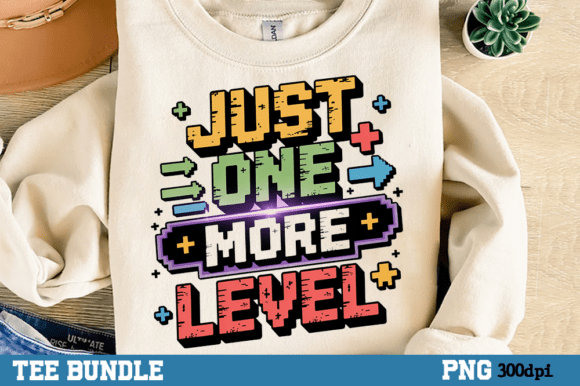
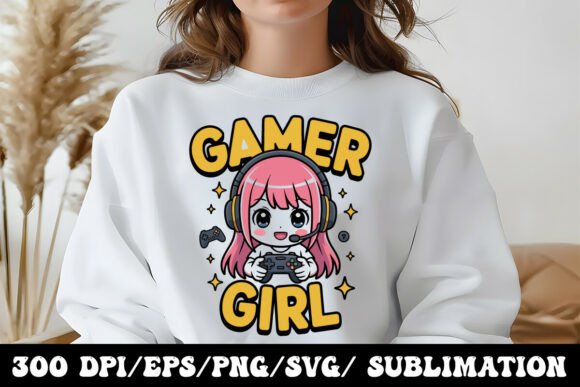
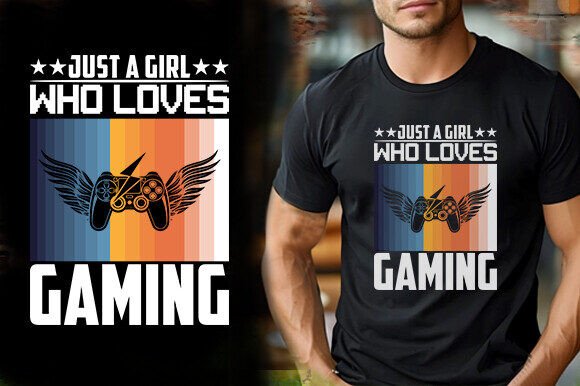
There is something quietly powerful about a T‑shirt that says exactly who you are without saying a word. In a world where gaming has moved from basement arcades to living rooms, stadiums, and even professional careers, the clothing we wear to express that identity has become just as important as the games themselves. The phrase “Just a Girl Who Loves Gaming” resonates far beyond a simple slogan — it captures a cultural shift. When you add “Desi” into the mix, you get something even richer: a fusion of global gaming culture with South Asian aesthetics, humor, and identity. That is exactly what makes the concept of JUST a GIRL WHO LOVES GAMING TSHIRT DESI so relevant today.
Whether you are a creator looking to launch a new product line, a small business owner stocking your Etsy shop, or a gamer who wants a shirt that feels personal and fun, the demand for custom, retro‑inspired women’s gaming tees has never been stronger. And if you have ever browsed Amazon, Teespring, or Redbubble looking for that perfect top, you have likely noticed that the best ones are not generic. They are designed with care — made to be modified, recolored, and printed at high resolution on real garments. That is where the work of designers like Sourav comes in, offering fully editable vector files, mockups, and print‑ready assets that make selling your own gaming apparel not just possible, but genuinely professional.
The Evolution of Gaming Apparel: From Logo Tees to Personal Expression
Not long ago, gaming merchandise meant a company logo plastered across a chest. It was about brand loyalty, not personal identity. Today, the landscape is completely different. Gamers, especially women, want clothing that reflects their taste, humor, and heritage. The phrase “Just a Girl Who Loves Gaming” has become a badge of belonging — unapologetic, warm, and inclusive. When you see a Desi twist on that phrase, you recognize that gaming is not a monoculture. It is a global community that speaks many languages, eats many foods, and wears many styles.
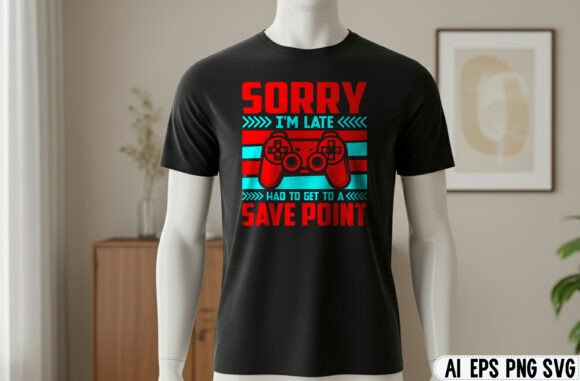
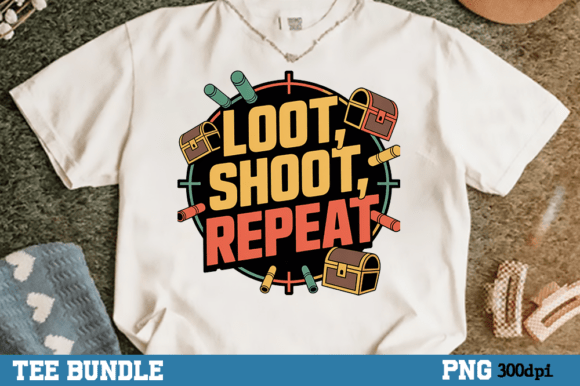
This evolution matters because it changes how designers and sellers approach their work. A retro video game T‑shirt for women is no longer just a black tee with pixel art. It might include Hindi script, references to nostalgic Indian arcade culture, or a color palette that feels both vintage and fresh. Buyers are looking for shirts that feel like they were made for them — not for a generic audience. That shift is why editable, high‑quality design files have become essential. If you are selling on Etsy or Teespring, you need to be able to adapt your design quickly. A vector file that lets you change colors, resize elements, and export at 300 dpi with a transparent background is not a luxury — it is a baseline requirement for anyone serious about standing out.
Why Retro and Custom Gaming Tees Are Having a Moment
Fashion, like gaming, moves in cycles. Right now, retro is everywhere. Think early 90s arcade graphics, chunky pixel fonts, and color combinations that feel like a warm CRT glow. But retro does not have to mean dated. When you pair a vintage aesthetic with a modern phrase like “Just a Girl Who Loves Gaming” and give it a Desi flavor, you create something that feels both nostalgic and new. That balance is hard to achieve without the right design tools.
What makes a design truly work for print‑on‑demand platforms? It comes down to versatility. A file that is created with 100% vector shapes can be scaled to fit a toddler’s onesie or a 3XL hoodie without losing clarity. It can be recolored in seconds to match a customer’s favorite shade. And when the file is supplied at 4500×5400 pixels at 300 dpi, you know the print will be sharp, whether you are making a sticker, a poster, or a T‑shirt. Sourav’s approach — offering PNG, SVG, EPS, JPG, and even a T‑shirt mockup in one zip file — is exactly what sellers need to move from concept to product without friction.
Practical Implications for Creators and Entrepreneurs
For anyone building a small apparel brand on Amazon, Etsy, Redbubble, or Teespring, the difference between a successful listing and one that languishes often comes down to quality and flexibility. A well‑designed gaming T‑shirt file should be easy to modify. That means the designer has spent time ensuring every element is editable, every color can be changed, and the final output matches the platform’s specifications. When a file is described as “ready to print” and includes both a mockup and multiple formats, it saves hours of work. You do not need to be a graphic design expert to launch a professional product — you just need the right source material.
Let’s talk about the real‑world workflow. Imagine you want to sell a “Just a Girl Who Loves Gaming” tee with a Desi touch on Etsy. You download the zip file, open the SVG or AI file, tweak the colors to match your brand palette, and upload it with the mockup. That is it. The high resolution ensures the fabric print is crisp. The transparent PNG lets you place the design on any background. And because the vector shapes are fully scalable, you can offer the same design on a sticker, a tote bag, or a hoodie without starting from scratch. For entrepreneurs juggling multiple products, this kind of efficiency is invaluable.
How the Gaming T‑Shirt Market Has Responded to Desi and Inclusive Designs
The global gaming audience is more diverse than ever. Women make up nearly half of all gamers in many regions, and South Asian players form a massive, engaged community. Yet for a long time, most gaming merchandise ignored that diversity. A “Desi” gaming tee is not just about adding a local language or a cultural motif — it is about acknowledging that a girl in Mumbai, Delhi, or the diaspora has the same right to see herself represented in gaming culture as anyone else. That is a powerful shift, and it is one that smart sellers are capitalizing on.
The demand for inclusive, culturally aware designs is not a passing trend. It reflects a deeper change in how people want to be seen. When a customer buys a T‑shirt that says “Just a Girl Who Loves Gaming” with a Desi aesthetic, they are not just buying clothing. They are buying visibility. They are saying, “I belong here.” For a designer or seller, understanding that emotional weight is what separates a forgettable product from one that builds loyalty and repeat purchases.
What to Look for in a Quality Gaming T‑Shirt Design File
If you are sourcing designs to sell — or if you are planning to create your own — the technical specifications matter more than most people realize. A print‑ready file should meet several criteria before it is worth your investment. First, it must be created at high resolution. 300 dpi (dots per inch) is the industry standard for quality apparel printing. Second, the design should be fully editable, meaning every element can be moved, resized, or recolored without breaking the composition. Third, transparent backgrounds are non‑negotiable for flexible placement on different garment colors.
Look for packages that include multiple file types: AI, EPS, SVG, PNG, and JPG. That way, you can work in whatever software you have — Adobe Illustrator, Inkscape, Canva, or even a browser‑based vector tool. A mockup file is also a huge plus because it lets you show customers exactly how the shirt will look before they buy. When a designer like Sourav includes all of this in a single zip file, they are signaling that they understand the seller’s workflow. It is not just about creating art; it is about creating a product that can be taken to market quickly and professionally.
Bringing Your Vision to Life: From Digital File to Worn Reality
One of the most satisfying moments for any seller is seeing a design come to life on an actual shirt. But that moment only happens if the file preparation is done right. A file that is easy to modify allows you to experiment with color variations without starting over. For instance, you might want to offer the same “Just a Girl Who Loves Gaming” design in five different colorways — neon pink, retro orange, classic black, mint green, and deep purple. If your source file uses live vector shapes, this takes minutes instead of hours. And because the design is built at 4500×5400 pixels with 300 dpi, every variant will print with the same sharpness.
The practical side of this cannot be overstated. When you list a product on Amazon or Etsy, the images need to be clear, the design needs to fit the mockup naturally, and the final print needs to match what the customer expected. A high‑quality file package removes the guesswork. You are not hoping the design will look good — you know it will, because you have tested it on a mockup and exported it at production‑ready specs.
Recommendations for Designers, Sellers, and Gamers Alike
If you are a designer creating gaming T‑shirt assets, prioritize vector workflows and include as many file formats as possible. Your clients — the sellers — will thank you. If you are a seller, invest in designs that offer flexibility. A file you can recolor and resize is worth more than a static image that locks you into one look. And if you are a gamer looking for a shirt that finally feels like you, look for creators who understand that identity is not generic. A shirt that says “Just a Girl Who Loves Gaming” with a Desi flair is more than a piece of clothing — it is a conversation starter, a confidence booster, and a reminder that gaming belongs to everyone.
The market for custom funny video gaming T‑shirts, especially retro women’s tops, will only continue to grow. Audiences are hungry for authenticity, for humor, and for designs that reflect their real lives. Whether you plan to sell on Teespring, Redbubble, Etsy, Amazon, or your own store, the quality of your design assets will directly impact your success. Choose files that are built to last — vector, editable, high‑resolution, and easy to modify. That is what turns a good idea into a bestseller.
And when you find a designer who prioritizes client satisfaction, who includes a mockup and multiple formats in one zip, and who understands the needs of both creators and buyers — hold onto them. That kind of attention to detail is rare, and it makes all the difference between a shirt that sits on a shelf and one that sells out in a week.