Gaming Controller with Fries and Nachos: Choosing the Right Snack-Ready Illustration for Your Project
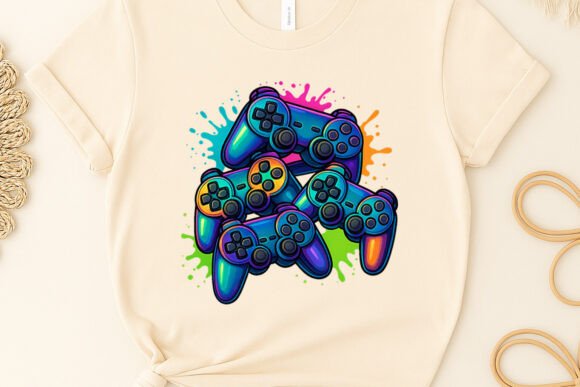
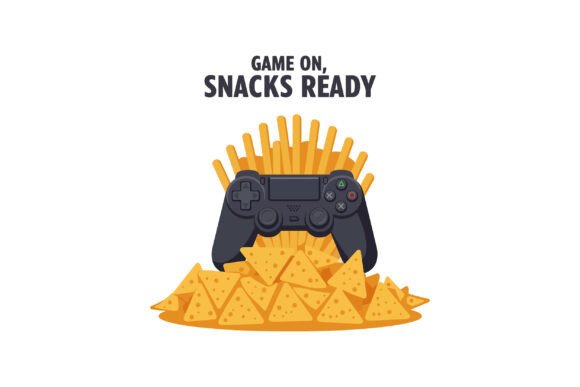
You have seen the image before: a game controller resting next to a basket of fries and a generous helping of nachos. It is a visual shorthand for the ultimate gaming session, combining the tools of play with the comfort of snack food. The Gaming Controller with Fries and Nachos illustration captures that exact mood, and the downloadable ZIP containing SVG, EPS, JPG, and PNG files makes it accessible for a wide range of projects. But before you drop it into your design, your blog post, or your marketing campaign, it pays to understand what this asset really offers and where most people get tripped up.
This illustration is more than a cute decoration. It is a communication tool. It says, "We are here to have fun, to relax, and to share a moment." Used well, it can make a brand feel approachable, a blog post feel relatable, or a social media graphic feel instantly engaging. Used carelessly, it can look out of place, low-resolution, or just plain confusing. Let us walk through the common pitfalls and the better approaches that will save you time, improve your results, and keep your audience smiling.
Treating the Illustration as a One-Size-Fits-All Graphic
The most frequent mistake is assuming that because the file comes in multiple formats, it will work perfectly in any context. SVG and EPS are vector formats, meaning they scale to any size without losing quality. JPG and PNG are raster formats, and they have fixed resolutions. If you download the JPG version and try to blow it up for a banner, you will end up with a pixelated mess. If you use the SVG without understanding how vector files work in your design software, you might accidentally flatten it or lose layers.
Better approach: Match the format to the use case. Use the SVG or EPS files when you need to resize the illustration for print, large displays, or when you want to edit individual elements like the color of the controller or the shape of the nachos. Use the PNG file when you need a ready-to-use image with a transparent background for a website or social media post. Use the JPG when you need a smaller file size for quick sharing, but be aware that it has a solid background. Before you start, decide where the graphic will appear, and then pick the format that gives you the most flexibility for that platform.
Overlooking the Background and Transparency Options
Another common oversight is not checking whether the illustration has a transparent background or a solid one. The PNG file in the ZIP likely includes transparency, which means you can place it over any background color or image without a white box. The JPG file will have a solid background, usually white or another color. If you use the JPG version on a dark-colored website or a patterned background, it will look like a sticker slapped on top of your design.
What to do instead: Always open the PNG file first to verify transparency. If you need a transparent image but only have the JPG, you can use the EPS or SVG files to export a new PNG with transparency in a vector editor like Adobe Illustrator, Inkscape, or Affinity Designer. If you are not comfortable with vector software, stick with the PNG that comes in the ZIP. Test it on a dark background before you finalize your layout. A few seconds of checking now can save you from a distracting white rectangle in your final design.
Ignoring the Mood and Audience Fit
The Gaming Controller with Fries and Nachos illustration has a playful, casual mood. That is its strength, but it also means it is not suitable for every message. If your content is about serious topics like competitive gaming rankings, hardware reviews, or industry analysis, this illustration may feel too lighthearted. If your audience is primarily parents or educators looking for family-friendly or educational content about gaming, the snack association might not match the tone they need.
Realistic example: A blog post about "Healthy Snacking for Gamers" could use this illustration to create a friendly contrast, pairing the image with tips for better food choices. A promotional email for a gaming headset, however, might need a more focused product image rather than a general snack scene. Ask yourself: Does this illustration support the message I want to send, or does it distract from it? If it reinforces the fun, casual side of your topic, use it. If you are trying to convey precision, performance, or professionalism, consider a different visual or use this one sparingly.
Underestimating the Value of Vector Files for Customization
Many people download the JPG or PNG and call it done, not realizing that the SVG and EPS files give you the power to change colors, remove elements, or add your own text and branding. This is where the illustration becomes truly versatile. You can recolor the controller to match your brand palette, remove the nachos if you want a simpler look, or add your logo subtly in the corner.
Why this matters for efficiency and cost: If you have to commission a custom illustration every time you need a variation, that costs time and money. With a vector file, you can make adjustments in minutes. For example, a freelance content creator might use the SVG to generate a black-and-white version for a print handout and a full-color version for a YouTube thumbnail. A small business owner could adapt the illustration for a seasonal promotion by adding a holiday element alongside the fries. The ability to edit the file directly means you are not locked into one static image.
Practical advice: Open the SVG file in a free tool like Inkscape or a paid tool like Adobe Illustrator. Look for grouped layers. You can ungroup them, select the controller or the food items, and change their fill colors. Save your custom version as a new SVG or export it as a PNG for web use. This is a skill worth learning, and it multiplies what you can do with a single download.
Not Checking Resolution and Scaling Before Use
The ZIP file includes multiple formats, but that does not mean all formats are high-resolution. The JPG and PNG files will have a specific pixel dimension, often optimized for web use. If you try to print a large poster with the PNG version, it may look soft or blurry because the resolution is not high enough for print. The vector formats, SVG and EPS, do not have this limitation because they are resolution-independent.
How to avoid this mistake: Always check the pixel dimensions of the raster files before you commit to a use case. A typical web-ready PNG might be 1500x1500 pixels, which is fine for a blog post or social media graphic but too small for a 24x36 inch poster. For print, use the EPS or SVG files and set your export resolution to at least 300 DPI. If you are unsure, test a small print first or consult your printer about the required resolution. The vector files are your safety net here, so do not be shy about using them.
Neglecting Licensing and Usage Rights
This is an easy one to overlook, especially when the download is free or comes from a site with generous terms. Not all illustrations are created equal when it comes to licensing. Some allow commercial use, some require attribution, some restrict you to personal projects only. If you plan to use the Gaming Controller with Fries and Nachos in a product you sell, a marketing campaign, or a client project, you need to know the license terms.
Better approach: Before you download, check the license agreement on the site or the exact terms that came with the ZIP file. Look for phrases like "commercial use," "royalty-free," or "attribution required." If the license is unclear, contact the creator or find an asset that explicitly states what you need. This is not about being paranoid. It is about protecting your work and your reputation. Using an asset outside its license can lead to takedown notices or legal requests, which is a headache you can avoid with a few minutes of reading.
What to Check Before You Download or Use the Illustration
Let us make this simple. Before you click download or drop the graphic into your design, run through this quick checklist:
- File formats you actually need: Do you need vector files for future editing, or are raster files enough for today's task?
- Background requirements: Does your layout need a transparent background, and do you have the PNG version ready?
- Resolution for your output: Are you using the correct file for print versus web, and have you checked the pixel dimensions?
- Color and branding fit: Can you customize the colors if needed, or is the default palette appropriate for your brand?
- License and usage rights: Are you clear on what you can and cannot do with this illustration commercially?
- Audience and tone alignment: Does this playful snack-and-controller image match the message and mood of your content?
Taking a few minutes to check these points will save you from rework, poor-quality output, or a mismatch with your audience. It also helps you get the most out of the asset, because you will use the right format from the start.
Putting the Illustration to Work
The Gaming Controller with Fries and Nachos illustration is a versatile, friendly graphic that can add warmth and relatability to many projects. Whether you are a blogger writing about gaming snacks, a marketer creating a casual social media campaign, a small business owner designing a flyer for a local gaming event, or a freelancer looking for a quick visual to round out a client presentation, this asset gives you a head start. The key is to use it with intention.
Think of it as a supporting element, not the main focus. Pair it with clear headlines, consistent branding, and thoughtful layout. When the illustration feels like a natural part of your design rather than an afterthought, it does its job. It makes people smile, it signals that you get the gaming culture, and it invites them to engage with your content. That is a valuable outcome, and it starts with choosing the right file, checking the details, and matching the mood to your message.
The files in that ZIP are tools, not magic fixes. The SVG and EPS give you flexibility for future edits. The JPG and PNG give you ready-to-use images for quick deployment. The illustration itself gives you a playful, casual vibe that resonates with adults who love gaming and all the small rituals that come with it, like a plate of nachos during a long session. Use it wisely, and it will serve you well across projects, platforms, and audiences.