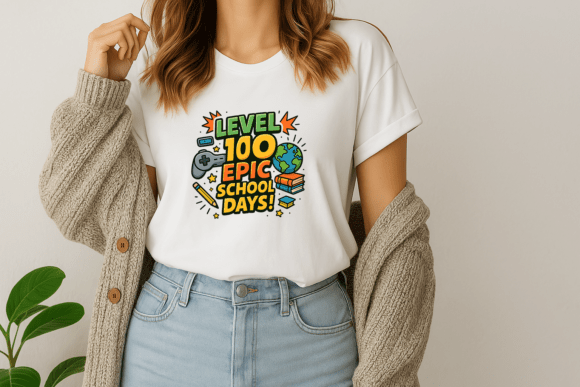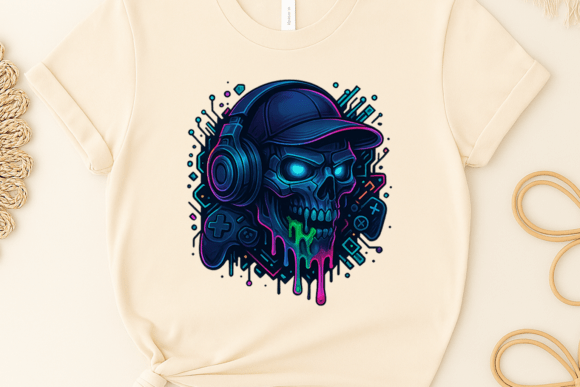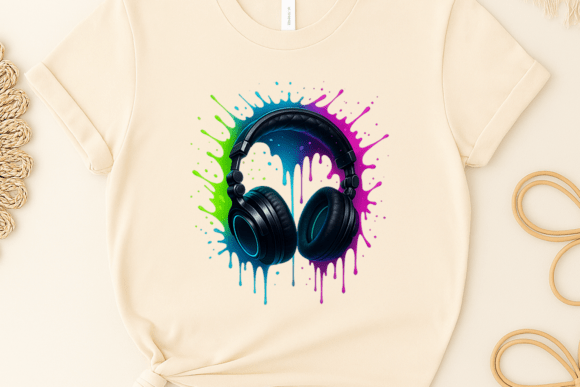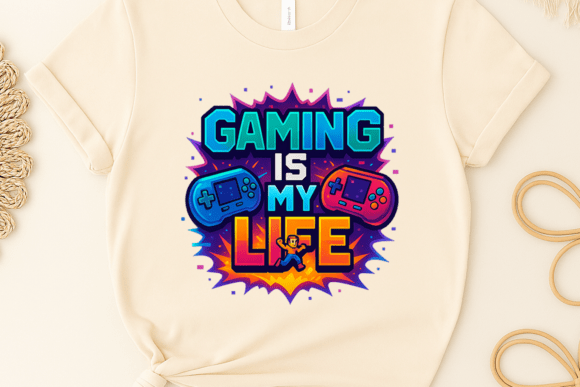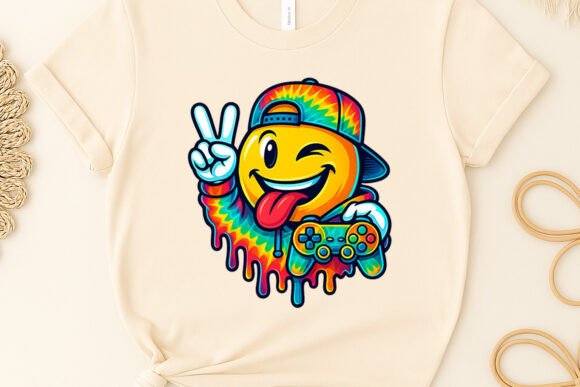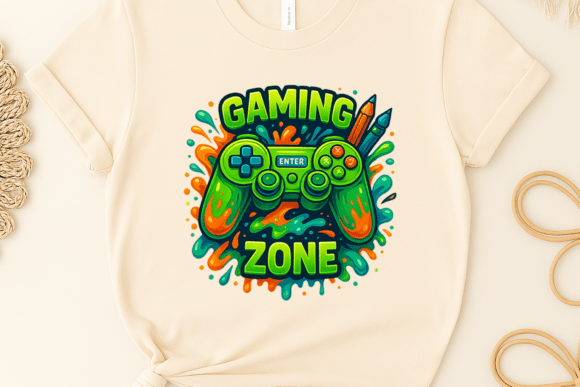
Gaming Zone Sublimation Clipart PNG Art
Whether you run a print-on-demand store, design custom gear for a gaming community, or make handmade crafts for side income, a high-quality digital asset can streamline your entire process. The Gaming Zone Sublimation Clipart PNG Art is a single, ready-to-use design file that combines a transparent background with HD resolution, making it a practical component for t-shirts, mugs, stickers, bags, frame art, and more. Because it is delivered as an instant download, you can slot it directly into your production pipeline without delay. Understanding how this asset fits into your workflow — from planning and preparation to final output — helps you get consistent, professional results every time.
What This Asset Is and Where It Belongs in Your Workflow
This clipart is a digital PNG file featuring a video gaming themed design. The transparent background means it can be placed on any solid-colored product without a visible box or border. The HD resolution ensures that edges stay crisp when scaled to typical print sizes (for instance, a standard t-shirt print or a mug wrap). In a broader creative process, this file functions as a core design element — not a complete template, but a single graphic that you combine with other elements such as text, borders, or additional clipart.
Because it is a sublimation-ready PNG, it works best with sublimation printing (transfer onto polyester-coated surfaces), but it is equally usable for inkjet or laser transfers if you use the right paper. It also excels in purely digital projects: social media posts, digital planners, gaming-themed invitations, or website graphics. Recognizing its role as a versatile building block allows you to plan projects around it rather than treating it as a one-off decoration.
Before You Begin: Planning and Preparation
Before you open your design software, decide what you will produce. For example, if you want to print a gaming t-shirt for a customer, consider the shirt color (dark or light) and the size of the graphic. A transparent PNG allows you to overlay the design onto a product mockup first. Take time to check the file dimensions in pixels and note the recommended DPI for sublimation (typically 300). If your project requires the graphic to be mirrored — common in sublimation transfers — you can do that in your software right after importing the PNG.
Think about the commercial license included. You can use this clipart on products you sell, but if you plan to incorporate it into larger design bundles or redistribute the raw file, review the terms. Most clipart of this type allows unlimited use on physical goods and small-scale digital products (like printable planners). Document this in your business folder so you remain compliant.
Software and Tool Compatibility
The Gaming Zone Sublimation Clipart PNG Art opens in any program that supports PNG files with transparency. This includes Adobe Photoshop, Illustrator, Affinity Designer, CorelDRAW, Canva (via upload), Inkscape, GIMP, and even simpler tools like Preview on Mac or Paint on Windows (though transparency handling varies). For best results, use a layer-based editor so you can place the clipart on a separate layer, resize without losing resolution, and combine with text or other graphics.
If you are using Canva, note that the free version handles transparent PNGs well, but you may need to unlock the resize option in Pro. For sublimation printers, many RIP software packages (e.g., Sawgrass Print Manager, Sawgrass CreativeStudio, CADLink) accept standard PNGs. Always test a small print on scrap material before committing to a run of 50 mugs.
Integrating the Clipart into Your Creative Workflow
The most natural place to add this asset is during the design phase, after you have selected the product and mockup. Drag the PNG onto your canvas. Because the background is transparent, you see exactly how it will look on the final product. Resize using the corner handles while holding Shift to maintain proportion. For t-shirt designs, keep the graphic within usable dimensions (e.g., 12×12 inches at 300 DPI). For mugs, ensure the design wraps appropriately — many mug templates are 8×9 inches at 300 DPI.
After positioning, you may want to add text (player names, team logos, event dates) or adjust the clipart’s color. Since this is a single file, you cannot easily recolor individual elements within it unless you open it in a vector program that allows color separation. The PNG is a raster image, so color changes are limited to hue shift or overlay effects. Plan accordingly: if full color control matters, purchase clipart that includes a vector format or separate color versions.
Once the design is final, export your composite as a high-res PNG or PDF with 300 DPI and the correct color space (RGB for screen, CMYK for some commercial print providers). For sublimation, mirror the image horizontally before printing onto transfer paper. This step is critical — many first-time users forget mirroring, ending up with a reversed print. Build a checklist that includes mirroring, color profile, and paper orientation.
Practical Implementation Tips for Quality and Efficiency
- Check resolution at target size. Open the clipart file and inspect its pixel dimensions. If you scale it larger than the original, you risk pixelation. Downscaling is safe and preserves sharpness.
- Always use a layer mask or clipping path if you need to mask part of the clipart. Avoid erasing directly onto the PNG — keep the original file untouched and work on duplicates.
- Organize your digital assets. Save the Gaming Zone Sublimation Clipart PNG Art in a dedicated folder along with its commercial license text and any notes about color suitability. Use clear file names like “gaming-zone-clipart-transparent.png” so you can search later.
- Batch test colors. Sublimation printers sometimes shift colors depending on the substrate. Print a small test with the clipart on a sample fabric or coated cup to see how it performs. Then adjust brightness or contrast in your design software accordingly.
- Combine with other gaming themes. If you have multiple clipart files from the same designer, they likely share similar art styles, making it easy to create cohesive product lines (e.g., a set of gaming t-shirts with matching controller icons, headsets, and joystick graphics).
Quality Control in Production Runs
When you’re making multiple items, consistency matters. Create a template file for each product type (t-shirt, mug, sticker) with pre-defined artboards and guidelines. Drop the clipart into the template rather than starting from scratch each time. Use the same layer arrangement (base clipart layer, text layer above, effects layer optional). Before printing, double-check that no stray pixels or rough edges appear—zoom to 400% in your software. If you see jagged edges, the clipart might have been poorly rendered; however, HD PNGs from reputable sellers are usually clean. If you see issues, try a different resampling method when scaling (e.g., Bicubic Smoother in Photoshop).
For physical products, one practical workflow is to design once, print a master sheet with multiple variations, and then cut and press each item individually. This approach works for small batch production (1–20 pieces). For larger orders, consider outsourcing the printing to a fulfillment service like Printful or Printify — they accept PNGs with transparent backgrounds directly into their design tools. Just ensure the file meets their DPI and color requirements (usually sRGB, 300 DPI).
Long-Term Use and Asset Management
Because this is a one-time digital download, you can reuse the clipart indefinitely across personal and commercial projects. Good file management ensures you can find it quickly years later. Store it in a cloud synced folder (like Google Drive or Dropbox) with a descriptive structure: “Assets / Clipart / Gaming / Sublimation PNG”. Keep a backup on an external drive.
If you modify the clipart — for example, rotate it, change opacity, or combine with vector elements — save the modified version as a separate file with a version suffix (e.g., “gaming-zone-modified-red-v1.png”). This way you retain the original pristine file for future projects while keeping your edits for specific clients.
Consider expanding your gaming clipart collection over time. A single piece is a starting point; add complementary designs (weapons, consoles, game characters) to offer customers variety. Each new clipart follows the same integration process: import into your template, adjust size, mirror if needed, test print. Document the process once, and replicate it with new assets.
Making the Asset Work for Efficiency and Consistency
Ultimately, the Gaming Zone Sublimation Clipart PNG Art saves time because it eliminates the need to create a gaming graphic from scratch. Its transparent background removes the step of cutting out a background image. Its HD resolution reduces retouching. By placing it into a structured workflow — plan, design, test, produce, organize — you can deliver professional results to customers or use it for your own creative projects without extra friction.
Whether you are selling custom t-shirts on Etsy, making gifts for friends, or building a digital resource library for your design business, this single file can be the core of several product variations. Approach it not as a static image, but as a modular component that fits into a repeatable production system. With careful preparation, thoughtful integration, and consistent quality checks, you turn a simple download into a reliable part of your creative toolkit.