Vaporwave RGB Heart Gaming Mug: Understanding Digital Mug Wraps and Getting the Best Results
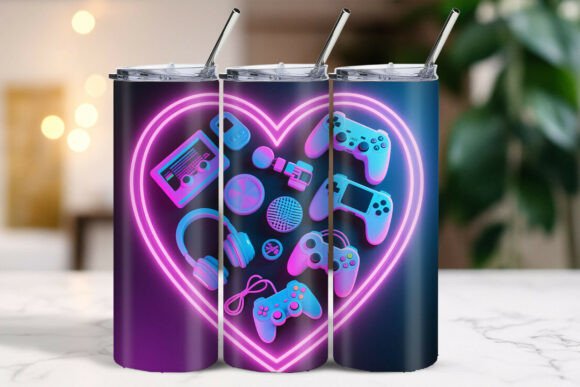
If you have come across the Vaporwave RGB Heart Gaming Mug design while searching for custom mug wraps, you are likely drawn to its neon palette, retro-futuristic aesthetic, and gaming-inspired heart motif. The appeal is understandable: vaporwave art has grown from a niche internet subculture into a widely appreciated design style, and combining it with a gaming heart symbol creates something that feels both nostalgic and fresh. Before you download or use this particular mug wrap, there are several practical considerations worth understanding. Many people treat digital mug wraps as simple decorative files, only to run into unexpected issues during printing, application, or final use. This article walks through common misunderstandings, overlooked details, and better approaches so you can make an informed decision and achieve the result you are actually hoping for.
What the Vaporwave RGB Heart Gaming Mug Actually Is
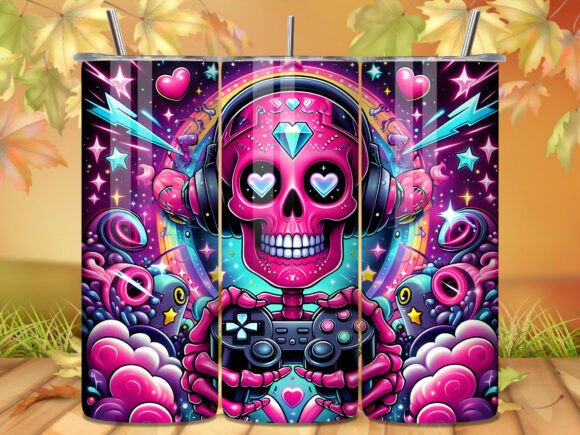
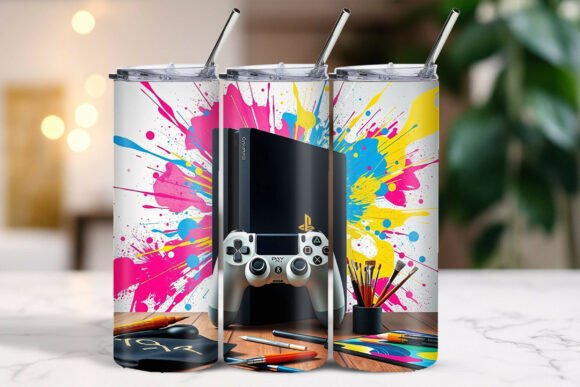
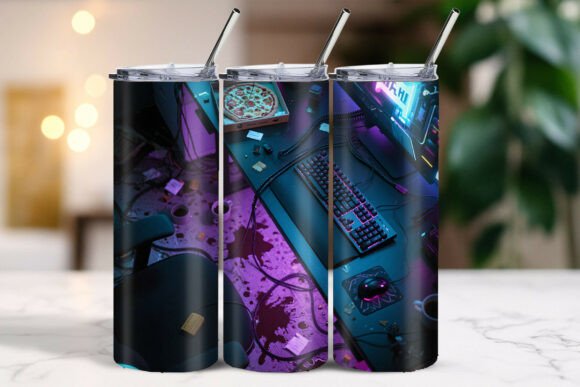
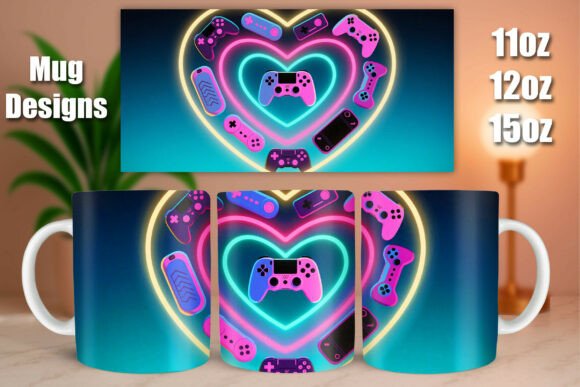
This listing offers a digital mug wrap, not a physical mug. The download includes PNG files in three standard sizes: 11 oz (2550 x 1122 px), 12 oz (2625 x 1137 px), and 15 oz (2625 x 1275 px), all at 300 dpi resolution. The design was created using AI, then edited and polished in Photoshop. That means you are purchasing a ready-to-use graphic that you can print and apply to a blank mug yourself or send to a print-on-demand service. The mockups and product photos shown in the listing are for visual demonstration only; they are not included in the download, and they do not represent a physical product you will receive. Understanding this distinction from the start prevents the most common disappointment: expecting a real mug to arrive in the mail.
Mistake One: Misunderstanding the Digital Nature of the Product
The most frequent error people make with digital mug wraps is treating them as physical goods. You will not receive a ceramic mug, a shipped package, or anything tangible. What you get is a set of PNG image files designed to wrap around a standard mug surface. If you are accustomed to buying finished products from online stores, this can feel confusing at first. The practical implication is that you are responsible for the printing and application process. That could mean using sublimation paper and a heat press if you do it yourself, or uploading the files to a custom printing service that handles production. Before purchasing, ask yourself whether you have access to the necessary tools or a reliable printing partner. Without either, the file remains a digital asset that never becomes a usable object.
How This Affects Your Satisfaction
When people expect a physical mug and receive only files, frustration follows. The same happens when someone downloads the wrap but has no clear plan for production. The design might look perfect on screen, but if you cannot print it or apply it correctly, the value drops considerably. A better approach is to confirm your workflow before buying. If you plan to use a print-on-demand service, check that they accept PNG uploads and that your chosen file size matches their template requirements. If you are printing at home, ensure your sublimation printer and paper are compatible with the resolution and dimensions provided. A few minutes of planning saves you from owning a beautiful design you cannot use.
Mistake Two: Overlooking the Size Specifications
The listing clearly states the pixel dimensions for each mug size: 11 oz, 12 oz, and 15 oz. It also notes that sizes are approximate and can be slightly adjusted. This flexibility is helpful, but it also introduces a potential pitfall. If you choose the wrong size for your blank mug, the wrap may not align properly, leaving gaps, overlapping edges, or a distorted image. People often assume any size will work with any mug, but mug shapes vary between manufacturers. A 12 oz mug from one brand may have a different circumference or height than a 12 oz mug from another brand.
What to Check Before Printing
- Measure the actual circumference and height of your blank mug, not just the volume.
- Compare those measurements to the pixel dimensions provided, keeping in mind that 300 dpi means 300 pixels per inch.
- If your measurements differ slightly, you can scale the PNG file in your editing software, but avoid stretching it too much or the image quality may suffer.
- Print a paper test first. Place the printed wrap around your mug before committing to sublimation. This small step catches alignment issues and saves materials.
Many experienced creators keep a set of blank mugs from their preferred suppliers and measure each one individually. That level of detail might feel excessive at first, but it prevents the frustration of a finished mug that looks misaligned or off-center. Over time, you will develop a sense of which sizes work best with which templates, making the process faster and more reliable.
Mistake Three: Ignoring the Color Variation Warning
The listing states that colors may appear differently due to screen variations. This is not a disclaimer to brush aside; it is a genuine technical limitation. The vaporwave aesthetic relies heavily on specific RGB color combinations, particularly neon pinks, electric blues, deep purples, and high-contrast glow effects. What you see on your monitor, phone, or tablet is influenced by your display's color profile, brightness, and calibration. When that digital file is printed, the output depends on your printer, ink, paper, and the sublimation process. The result can differ significantly from what you expected.
Practical Steps to Manage Color Accuracy
- Calibrate your monitor if possible. Even basic calibration improves consistency.
- Request a proof from your print service before running a full batch. Many services offer a single test print at a reduced cost.
- Print a small test swatch of the design's key colors before printing the entire wrap. This lets you see how the inks behave on your specific substrate.
- Adjust saturation and brightness in Photoshop or your editing software if the test print looks off. The AI-generated design may have very high saturation that needs slight reduction for accurate reproduction.
- Understand that sublimation on ceramic often produces slightly different results than on polyester-coated surfaces. If you are printing on different mug materials, test each one separately.
People who skip these steps often end up with mugs that look muddy, washed out, or overly dark. The neon glow that looked incredible on screen can lose its punch on a physical mug. A little upfront testing preserves the visual impact that made you choose this design in the first place.
Mistake Four: Misunderstanding the AI-Generated Nature and Copyright
The listing explicitly notes that the design is AI-generated and that any similarity to copyrighted material is coincidental and can be removed upon request. This is important for several reasons. First, if you plan to sell mugs with this design, you need to understand the legal gray area that still surrounds AI-generated art. While the seller offers a removal guarantee, you should not assume the design is entirely original or free from potential third-party claims. Second, the AI generation process means the design may have small inconsistencies, unexpected artifacts, or less coherence than a manually created illustration would have. The Photoshop editing reduces these issues, but they are not always eliminated completely.
What This Means for Commercial Use
If you are a small business owner, freelancer, or entrepreneur planning to sell these mugs, take extra precautions. Keep a record of your purchase and the listing's terms. Consider adding your own modifications to the design in Photoshop before production. Changing the layout, adding text, or adjusting colors can help differentiate your product and reduce reliance on the exact AI output. Also, stay informed about evolving copyright law regarding AI-generated content. What seems acceptable today might be interpreted differently in the future. For personal use, these concerns are less pressing, but they are worth knowing regardless.
Overlooking the Absence of Mockups in the Download
Another common misunderstanding: the mockup photos in the listing are not included. If you need a product mockup for your own website or marketing materials, you will need to create one separately or purchase one elsewhere. The download contains only the mug wrap PNG files. People sometimes assume the lifestyle photos or flat-lay images come with the purchase, and they are disappointed when they do not. Clarify your needs before buying. If you require mockups, look for additional resources or take your own photos after production.
Mistake Five: Rushing the Application Process
When you have the printed wrap ready, the application step determines the final quality of your mug. Rushing leads to bubbles, uneven edges, misalignment, or image stretching. The vaporwave design, with its precise geometric elements and glowing heart motif, shows imperfections more clearly than a busy pattern would. Take your time. Follow the temperature, pressure, and time settings recommended for your sublimation paper and mug type. Allow the mug to cool fully before handling. If you use a convection oven instead of a heat press, rotate the mug periodically for even heat distribution.
A Better Approach to Application
- Clean the mug surface thoroughly with isopropyl alcohol to remove oils and residue.
- Tape the wrap securely in place using heat-resistant tape, ensuring no shifting occurs during pressing.
- Use a silicone sleeve or paper wrap to protect the mug and apply even pressure.
- Check a small area first if you are unsure about timing.
- If the result is too light, increase press time slightly rather than raising temperature too high.
Experienced creators keep a log of settings for each mug type they use. Over time, you build a reference that makes every print more predictable. That kind of attention to detail turns a good design into a great product.
Final Considerations Before You Download
The Vaporwave RGB Heart Gaming Mug design has clear appeal for gamers, vaporwave enthusiasts, and anyone who loves neon-infused retro aesthetics. The digital format gives you flexibility to produce as many mugs as you like, for personal gifts, resale, or branding. But that flexibility comes with responsibility. You need to manage the printing process, handle color accuracy, verify sizing, and understand the limitations of AI-generated art. None of this is difficult, but each step requires awareness.
Before clicking purchase, ask yourself: Do I have a clear production plan? Do I understand the measurement and color considerations? Am I comfortable with the digital-only nature of the product? If you answer yes to all three, you are in a strong position to get excellent results. If any answer is uncertain, take a moment to research your specific workflow. A small investment in preparation now saves time, money, and frustration later. The design itself is visually striking, and with the right approach, it can become a mug you are genuinely proud to use, gift, or sell.
Treat the digital wrap as a starting point rather than a finished product, test before committing to large runs, and keep expectations aligned with what a digital download can realistically deliver. That mindset separates a smooth experience from a disappointing one, and it is what turns a casual buyer into a confident creator.